Quick Answer: Choosing a riding helmet is not only about finding the correct number on a size chart. Helmet brands and models are shaped differently, and two helmets labeled the same size can feel completely different on the same rider.
A properly fitted horse riding helmet should sit level on the head, feel evenly snug without painful pressure points, and remain stable when you move. The brim should usually sit about one or two finger widths above the eyebrows, but the manufacturer's fit instructions should always guide the final position.
This guide explains how to measure for an equestrian helmet, recognize common fit problems, check the harness, and care for the helmet after purchase.
Choose a Helmet Made for Equestrian Use
Use a helmet specifically designed and certified for horseback riding. A bicycle helmet, ski helmet, or fashion helmet is not a substitute, because each sport uses different testing standards and impact scenarios.
Before buying, check which safety certification your barn, trainer, show organization, or national governing body requires. Look for the certification label inside the helmet and confirm that the model is approved for the type of riding you plan to do.
Do not assume that a helmet is certified because it has an equestrian appearance. Read the product information and the labels inside the helmet.
Measure Your Head Before Shopping
Use a soft measuring tape and place it around the widest part of your head. The tape should pass just above the eyebrows, above the ears, and around the fullest area at the back of the skull.
Keep the tape level and comfortably snug. Take the measurement several times in centimeters and use the largest consistent result. Compare it with the specific manufacturer's chart for the helmet you are considering.
Helmet sizing is not completely standardized between brands. Your measurement provides a starting point, not a guarantee that a particular model will fit.
If you fall between sizes, try both when possible. Do not automatically choose the larger helmet. The correct choice depends on the brand's adjustment system, the helmet's shape, and whether it remains evenly secure.
Understand Head Shape as Well as Head Size
Most riders have a head shape that is closer to round, intermediate, or long oval when viewed from above. Helmet models are built around different internal shapes.
A helmet can match your measured circumference and still feel wrong. Pressure at the forehead and back of the head may suggest that the helmet is too round for your shape. Pressure at the sides with extra space at the front or back may suggest that it is too oval.
Do not try to solve a major shape mismatch by choosing a helmet that is too large. That can create movement and gaps elsewhere. Instead, try another model or brand designed around a more compatible shape.
Check How the Helmet Sits
Place the helmet straight down onto your head. It should sit level rather than tilted back. A helmet worn too far back exposes more of the forehead and may feel unstable. One worn too low can interfere with your eyebrows or vision.
Look in a mirror from the front and side. The brim should appear level, and the helmet should not lean to either side. Follow the manufacturer's instructions for the exact recommended position.
If the helmet includes a dial or adjustment system, begin with it loosened. Position the helmet first, then tighten gradually until the fit feels secure. The adjustment system should refine the fit rather than compensate for a shell that is clearly the wrong size or shape.
Look for Even, Snug Contact
A good riding helmet fit should feel evenly snug around the entire head. You should notice firm contact, but not sharp pressure, numbness, or a headache.
Wear the helmet indoors for several minutes before deciding. Some pressure problems are obvious immediately, while others become noticeable after five or ten minutes.
Check for:
- Even contact around the head
- No large gaps at the sides, forehead, or back
- No painful pressure points
- No rocking forward and backward
- No easy rotation from side to side
- A stable position when you bend or gently shake your head
The skin at your forehead may move slightly when you shift the helmet by hand. The helmet itself should not slide freely over your hair.
Adjust the Chin Strap and Harness
The harness helps keep the helmet positioned correctly. Adjust it according to the manufacturer's instructions so the side straps sit neatly around the ears and the chin strap lies securely beneath the jaw.
The strap should be close enough that the helmet cannot lift or roll, but it should not pinch or make it difficult to speak. Check that the buckle closes completely and that loose strap ends are secured as intended.
After fastening the harness, open your mouth widely. You may feel gentle pressure or movement from the strap. If the helmet still lifts significantly or shifts out of position, recheck the adjustments and overall size.
Test the Helmet With Your Riding Hairstyle
Fit the helmet with the hairstyle you normally use for riding. Hair should be arranged consistently and should not create a thick, uneven layer beneath the helmet.
Avoid bulky clips, high ponytails, or large knots beneath the shell. If you change from wearing your hair down to placing a large amount of hair inside the helmet, the fit can change.
Never add a thick winter hat, unapproved liner, or hood beneath the helmet. Use only accessories that the helmet manufacturer identifies as compatible.
Common Signs a Riding Helmet Is Too Large
A helmet may be too large if:
- It drops low over the eyebrows or eyes
- It rocks when you move your head
- It rotates easily from side to side
- Tightening the adjustment dial creates pressure only at the back
- Large gaps remain around the interior
- The helmet can be removed easily while the harness is fastened
A helmet that feels comfortable because it is loose is not necessarily a good fit.
Common Signs a Riding Helmet Is Too Small
A helmet may be too small or the wrong shape if:
- It sits unusually high on the head
- It creates a headache or numb areas
- It leaves painful pressure at the forehead, temples, or sides
- It is difficult to place fully onto the head
- The harness cannot be adjusted comfortably
- You feel concentrated pressure instead of even contact
Some new helmets feel firmly snug, but they should not be painful. Ask a trained fitter to help distinguish a secure new fit from the wrong size or shape.
Inspect Your Helmet Before Every Ride
A quick pre-ride check can reveal visible problems before you mount.
Look for:
- Cracks, dents, or deformation
- Damage to the shell, brim, harness, buckle, or adjustment system
- Loose or missing components
- Changes in fit
- Signs that the helmet was dropped or compressed during storage
- Dirt or material blocking vents or moving parts
If you are uncertain about damage, stop using the helmet and contact the manufacturer or an authorized retailer.
Know When to Replace a Riding Helmet
Follow the helmet manufacturer's replacement guidance. Replacement may be necessary after a fall or impact, even when exterior damage is not visible. Helmet materials can be affected internally by an impact.
Manufacturers also provide time-based replacement recommendations because materials, adhesives, padding, and harness components can change with age and use. Record the purchase date and keep the manual or product information.
Replace the helmet sooner if it no longer fits correctly, shows damage, has missing parts, or cannot be adjusted as intended. Do not buy a used helmet when its age, storage conditions, and impact history are unknown.
Store and Clean the Helmet Correctly
After riding, allow the helmet to air-dry away from direct heat. Do not leave it beside a radiator, use a hair dryer, or store it for long periods in a very hot car.
Clean the exterior and removable liner only as directed by the manufacturer. Harsh chemicals or unapproved cleaning methods may damage materials.
Transport the helmet in a protective bag where it will not be crushed beneath tack, boots, or heavy equipment. Avoid dropping it onto hard surfaces.
Riding Helmet Fit Checklist
- Designed and certified for equestrian use
- Meets the requirements of your barn or organization
- Matches your head measurement and shape
- Sits level and in the manufacturer's recommended position
- Feels evenly snug without painful pressure
- Does not rock or rotate easily
- Harness and buckle adjust securely
- Fits with your normal riding hairstyle
- Shows no visible damage or missing components
- Stored and maintained according to manufacturer guidance
Frequently Asked Questions
How tight should a horse riding helmet be?
It should feel evenly snug and remain stable without causing pain, numbness, or a headache. Follow the manufacturer's fit instructions and ask a trained fitter for help when possible.
Can I buy a riding helmet online?
You can, but fit varies between brands and models. Buy from a retailer with a clear return policy, measure carefully, and do not ride in the helmet until you are confident the fit is correct.
Can I wear a used riding helmet?
It is difficult to verify the age, storage conditions, and impact history of a used helmet. A new helmet from an authorized retailer provides a clearer history and current product information.
Should I replace my helmet after a fall?
Follow the manufacturer's instructions. Many manufacturers require replacement after an impact because internal damage may not be visible from the outside.
Final Thoughts
A riding helmet should feel secure enough that you notice even contact, not so loose that you forget it is there. Measure carefully, compare shapes, wear each option long enough to notice pressure, and have the fit checked by a knowledgeable professional when possible.
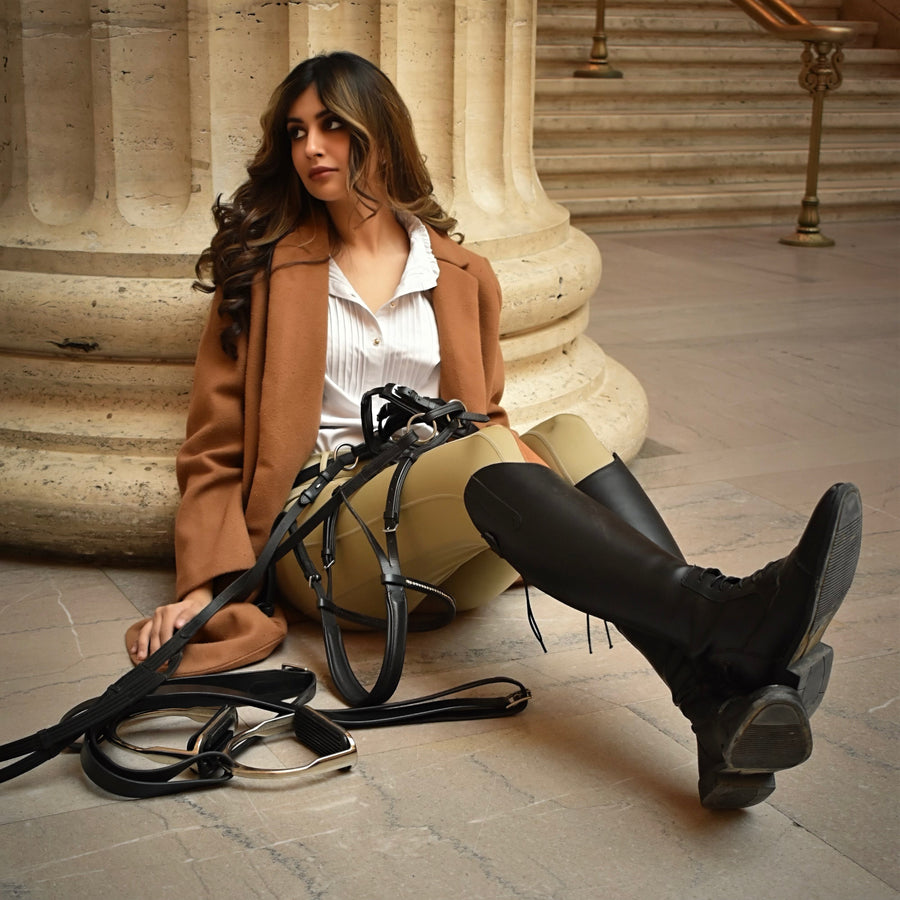
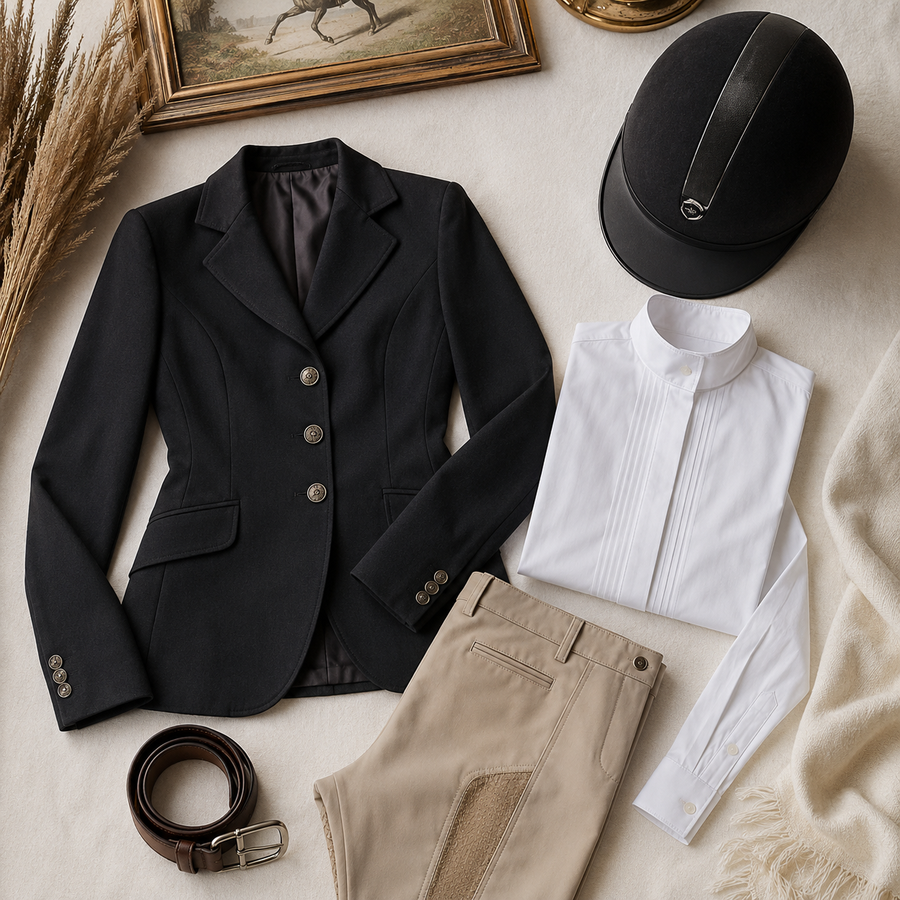
The most elegant riding outfit still begins with equipment chosen for the realities of the sport. A well-fitted helmet is one of the most important parts of getting dressed to ride.